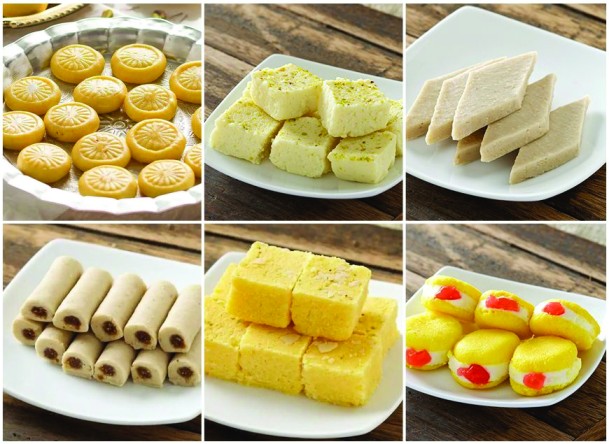
Despite their lip-smacking legacy and emotional connect with consumers, the omnipresent sweet and confectionary industry seems to be going through an unsweet transformation.
Rapidly evolving tastes, changing consumer preferences, lack of skilled manpower, packaging restrictions are just some of the pertinent issues being faced by the sweet and savoury industry. “Compared to earlier years, seasonal demand is no longer what it used to be.
Even festivals aren’t seeing the kind of growth in sales that we once did,” said Mr Sharad Sharma, MD of Laddu Gopal and a veteran in the industry.
He points out how customer preferences are shifting towards healthier options like dry fruits, while sales in the off-season remain sluggish. Rising input costs, especially milk and dry fruits, are further squeezing margins.
Manpower Biggest hurdle
If there is one issue that nearly every sweet maker highlights, it is the shortage of skilled labour.
The art of making traditional sweets requires experience and precision, yet fewer young people are entering the trade.
Ms Meghna Koneru, managing partner of Sri Gruhalaxmi Home Foods, said: “Manpower is our biggest challenge.
Even though we provide staff with facilities and benefits, inconsistency is high. Skilled artisans who know the recipes of our grandmothers are hard to find.”
The MD of Sweet India, Mr Anil Kumar Joshi, who prides himself on using only organic desi ghee and locally sourced ingredients, echoes this concern.
“We are in need of skilled chefs in this field. Instead, we are being unfairly compared to Western desserts and packaged foods. Comparing freshly made ladoos and namkeens with preservative-laden confectionery is a crime.”
Packaging and hygiene
While quality and freshness remain the backbone of Indian sweets, packaging is emerging as a serious problem, especially in the face of plastic bans. Meghna explains, “Most of our namkeens are pre-packed, but alternatives to plastic are not yet effective.
Bioplastic effuses a smell that spoils the namkeens. We urgently need a viable, oil-resistant, airtight option.”
Government intervention
Across the board, there is a strong sentiment that the government must step in — not just with regulatory oversight, but with tangible support.
Subsidies for cold storage infrastructure, training programs for traditional sweet makers, and reduced GST on essential ingredients like khoya and ghee are among the common requests. Dedicated Zones
Mr Prabhakar Varma, Director of Rasapoorna Foods Pvt Ltd, goes a step further.
He advocates for the creation of a dedicated food processing zone for sweet manufacturers. “Such a zone would not only support SMEs with shared infrastructure and compliance support but also boost exports and employment,” he explains.
He also stresses the need to rebrand the industry. “We must move beyond being seen as merely traditional or seasonal, and instead highlight ourselves as a vibrant, innovative, and health-conscious sector that blends legacy with modern appeal.”
Indian Sweets for the World
Exports is another area where industry leaders want government backing. With schemes like ODOP (One District One Product), low-interest loans, and incubation support for startups working on low-sugar or preservative-free sweets, India could showcase its sweets and namkeens to the world.
As Mr Joshi put it, “Traditional sweets and namkeens can be a huge export from our country. Our food is unmatched.”